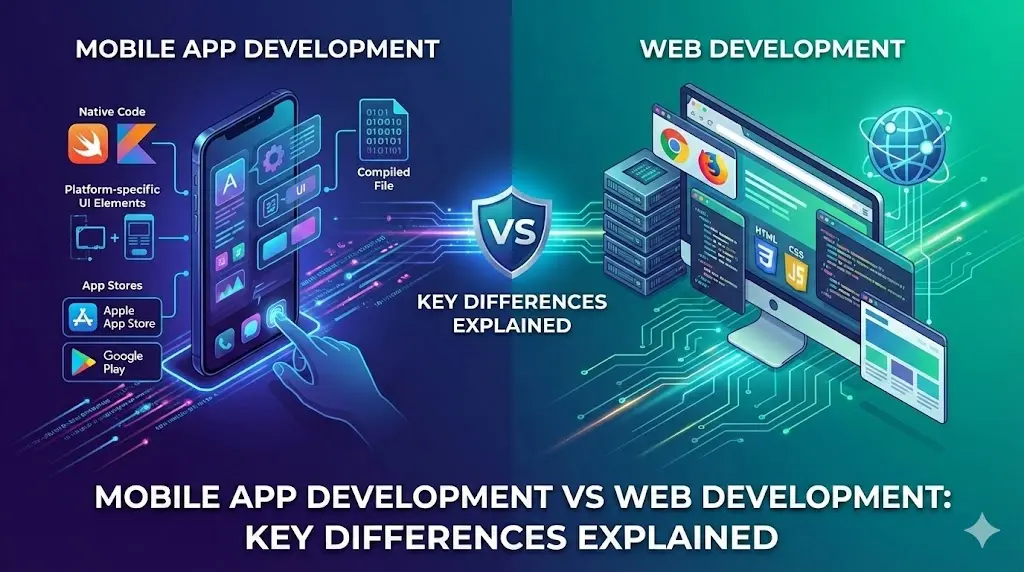
A progressive web app falls in the middle between a website and a native mobile app. It opens in the browser, however can work offline. It can turn off push notifications, and stay on the home screen like a regular app.
Brands are already using progressive web apps to drive serious results. Twitter Lite saw about 65 percent rise in pages per session and a 75 percent increase in Tweets sent, as well as a 20 percent decrease in bounce rate after moving to a PWA. Alibaba’s PWA raised mobile conversions by approx 76 percent Cross browsers.
So this is not just a technical trend. It’s a real growth lever. Let’s break down what Progressive Web Apps are, how they work, and where WebOsmotic fits into that picture.
What is Progressive Web App?
A progressive web app is a web application that uses modern browser features so that users get an app-like experience without any downloading from the app store. It runs on a web address, however it can:
- Pin to home screen
- Working with weak or incomplete networks
- Use push notifications and background sync
Most people cannot easily distinguish between a good PWA and a genuine one once they start using it.
When people ask “what is a Progressive Web App” or “what are Progressive Web Apps”, this is the basic idea. It brings application style speed and adds flair to the web layer you already have.
Want to see how this fits into the bigger picture of mobile products? this A guide to the future of mobile application development Gives useful context.
How Progressive Web Apps work under the hood
The basic building blocks remain simple, even though the term seems complex.
Service worker
A service worker is a small script that sits between your browser and your network. It can save key assets and view every order. Then, he can choose what to display when the device has no signal or a very weak signal.
Web application manifest
The manifest file stores details such as the application name and icon as well as basic theme colors. When a user clicks “Add to Home Screen,” the browser reads this file and installs your site like an app box. The next time they open them, the experience feels more like a simple standalone app than a cluttered browser window.
HTTPS
PWAs run on secure HTTPS. This keeps data secure during transfer and gives the browser enough confidence to operate powerful features like service workers and push notifications. Users also see a lock icon, which enhances trust before sharing payment or login details.
Teams who already feel the pain of slow screens and fragile stacks will recognize many of the same topics in this article about Challenges in designing and developing web applications.
When these three parts come together, a regular web application can start behaving like a Progressive Web application without any major rewriting in a new technology stack.
Key Benefits of Progressive Web Apps
Faster experience
PWAs store assets and key views, reducing loading time. Forbes noted that its PWA loaded significantly faster on mobile, and reported much longer sessions and higher completion rates after testing it. Faster pages increase engagement and keep users comfortable on slow networks.
Higher conversions and longer sessions
Across numerous case studies, Progressive Web Apps drive up conversion rates and session duration when compared to older mobile web versions. one Analysis of PWA results I found that the average conversion lifts about 52 percent and increases session length by about 78 percent.
Twitter and Alibaba tell the same story. Twitter Lite’s PWA technology increases the number of pages per session and tweets sent while reducing the bounce rate. Alibaba’s PWA service increased cross-browser conversions by nearly three-quarters and increased the number of monthly active users on iOS and Android.
Better re-engagement
Push notifications built into PWA apps can reach users even when the app is not open. A recent overview indicates that a push PWA can reach open rates of around 90 percent, which is much higher than a typical marketing email. When used carefully, this keeps users coming back without a large ad spend.
Low cost of development and maintenance
You can still maintain a single code base that runs in the browser. You don’t need separate native apps for different mobile platforms. For many teams, this means smaller releases and fewer headaches during upgrades.
The idea of this single code base corresponds precisely to Mobile application development trends Companies try to reduce duplicate work while maintaining the accuracy of applications.
When Progressive Web Apps Make Sense
Progressive Web Apps are not a silver bullet for every product. However, there are clear instances where it shines.
E-commerce and markets
Users arrive at your store through search, ads, and links. PWAs keep this conversion path open while still offering quick apps like navigation and offline support for browsing. Case studies across retail show higher conversions and interactions after launching a PWA.
Many brands associate with this Artificial intelligence in mobile application development So the search, recommendations, and support also look smarter on top of the PWA shell.
Content and media
News, blogs, and learning platforms benefit when articles load quickly, work offline, and send timely alerts of new stories.
SaaS dashboards and internal tools
Sales teams, support teams, and field employees often switch between laptop and mobile. PWAs allow them to use a single interface across devices, with installation options for heavy users.
Early stage products
If you’re still looking for product-market fit, Progressive Web App lets you ship faster, test features, and reach users without the hassle of App Store installations. Later, you can still add the original shells if necessary.
Questions to ask a progressive web application development company
Choosing any progressive web app development company requires more than just a checklist of frameworks. Good partners should help you answer a few simple questions.
- Which real user journeys will benefit most from PWA features?
- How the caching and offline behavior will work on those trips
- How will we measure improvement in engagement, conversions or retention after launch
They should also design a plan for long-term upgrades so that the PWA can keep up with browser changes and security best practices.
How WebOsmotic builds progressive web applications
WebOsmotic treats Progressive Web Apps as part of a broader product suite, not a stand-alone trick.
Typical work flows like this:
- Discovery and audit: The team maps current traffic, device mix, and key conversion paths. They also review your existing web application or website to see where speed or reliability hurts users the most.
- Water Authority Strategy: WebOsmotic highlights where PWA features like offline caching, installation and payment prompts can give a real boost. This becomes a clear roadmap, not a vague wish list.
- application: Engineers prepare modern service workers, data, and pipelines. Designers optimize the states for offline use, sync, and bug-proofing so the app feels stable in real life.
- Measurement and care: Post-launch, the team tracks engagement and conversion numbers against the old baseline. They then adjust cache rules and content hints and push the streams in short cycles.
Final thoughts
Progressive Web Apps combine web access with much of the convenience of native apps. It loads quickly, handles patchy networking, and stays relevant through installation and payment prompts. Well-built PWAs often increase conversions, session length, and retention without separate native builds.
WebOsmotic You can review your product, map where your PWA fits, and quietly design a step-by-step upgrade until it becomes a permanent growth channel.

Related Posts